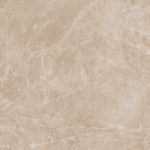
Which Stone Countertop Type is Best for Your Kitchen?
12/12/2025
7 min read
7 min read
Stone kitchen countertops have been popular for decades due to their beauty and inherent luxury. However, with so many different types of countertop materials on the market, it can be challenging to choose the right one, especially as engineered options continue to evolve.
Selecting the wrong surface option can result in a countertop that can be easily damaged and that comes with costly, ongoing maintenance needs. At Caesarstone, we aim to help you avoid such mistakes. Here are the traditional stone materials and the revolutionary engineered options that define the future of kitchen design.
Natural Stone Countertops: This type of stone, such as marble and granite, comes directly from the quarries with less manufacturer involvement. While associated with traditional luxury, they aren’t without their downsides, including their susceptibility to damage and wear, leading to the creation of engineered stone countertops.
Engineered Stone Countertops: Invented to solve many of the challenges of natural stone, this alternative combines natural stone with advanced binding agents that enhance its durability.
To appreciate the advancements in modern countertop surfacing, let’s first look at the inherent flaws of various natural stone types — flaws that modern engineered materials were specifically designed to overcome.
Quartzite is a hard, aesthetically pleasing metamorphic rock. However, it is also highly porous, requiring frequent, costly sealing (up to twice yearly). If not properly resealed, it will absorb stains and blemishes. This type of intensive maintenance is a common requirement for most natural stone kitchen countertops.
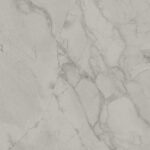
Marble has been a luxury material for centuries, but its downsides are significant. It is highly absorbent and susceptible to etching from common kitchen acids (e.g., vinegar and lemon juice). It is expensive both upfront and in the long run, requiring regular resealing and developing a patina of uneven wear over time.
Once the go-to for luxury, granite has fallen out of favor due to its limited aesthetic options becoming commonplace. Like many natural stone options, granite countertops require frequent resealing and consistent maintenance to prevent staining and deterioration.
Onyx is beautiful but exceptionally soft and requires reinforcing. Soapstone is nonporous (a natural advantage) but is also a soft material, making it prone to scratches and dents, and its color palette is limited to shades of white and black.
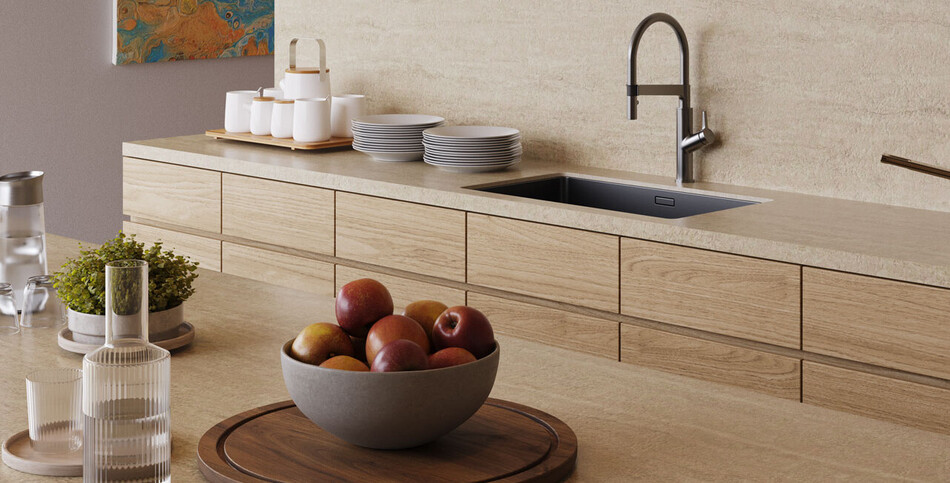
Natural stone countertops cost you both upfront and over the long haul due to their regular maintenance requirements. Engineered stone surfaces, on the other hand, deliver superior performance with minimal long-term maintenance. They are nonporous and never need sealing.
For years, quartz was the undisputed leader among engineered stone countertop options. However, as a result of advances in technology and manufacturing, today’s consumers now have several high-performance surfaces to choose from for their kitchen, including those listed in the table below.
| Material | Key Advantage | Best Suited For |
|---|---|---|
| Advanced Fusion Caesarstone ICON™ | Crystalline silica-free*, recycled content, deep aesthetics | Health-conscious, premium, sustainable projects |
| Porcelain | Extreme heat and UV resistance, lightweight | Countertops, flooring, wall cladding, fireplace sounds, outdoor kitchens, patios |
| Quartz | Balanced durability, vast aesthetic options | General high-traffic indoor kitchens |
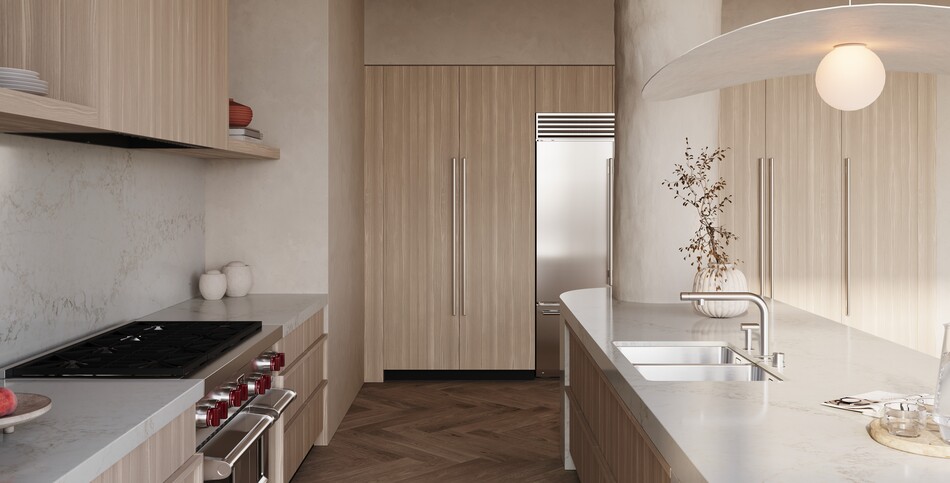
Advanced fusion Caesarstone ICON is a revolutionary surface. This material goes beyond traditional engineering to address industry concerns and set a new standard for performance and safety.
Design Depth: Advanced fusion surface technology creates stunning depth and variety in the veining and patterns that was previously unattainable in engineered stone.
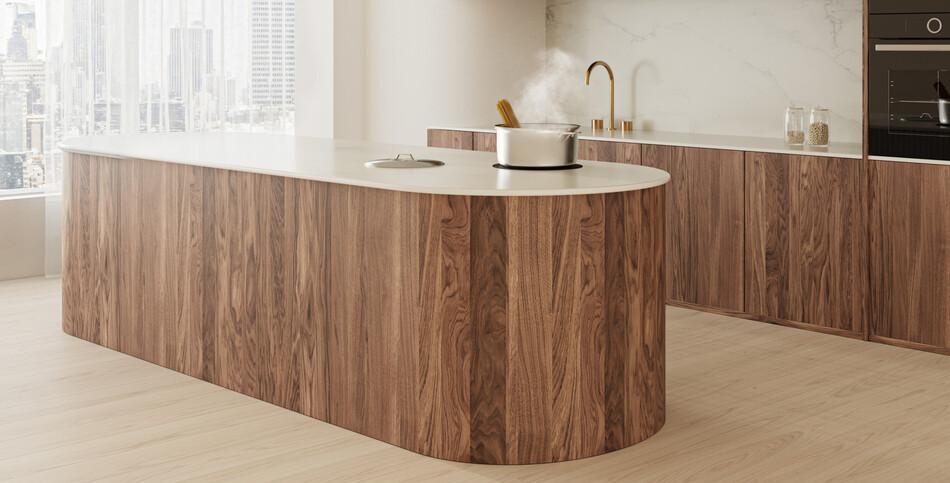
Porcelain is an ultracompact surface made from high-quality ceramic clay and mineral oxides fired at extreme temperatures. This process creates a surface with unique performance advantages over other materials, including:
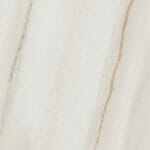
Desirable Aesthetics: Available in thin, large-format slabs, porcelain minimizes seams and can convincingly replicate the appearance of exotic natural stones, concrete, and metal.

Quartz remains a benchmark for durability and low maintenance. Caesarstone’s quartz surfaces are made using a combination of loose quartz, resins, and pigments. Other benefits include:
To dive deeper into how Quartz compares to other types of countertops, read our guides to quartz vs. Corian and quartzite vs. quartz.
| Kitchen Lifestyle | Best Engineered Countertop | Reason |
|---|---|---|
| The Eco-Designer | Advanced Fusion Caesarstone ICON | Crystalline silica-free,* highest recycled content, next-generation design |
| The Outdoor Chef | Porcelain | Impervious to UV damage, extreme heat resistance |
| The Busy Family | Quartz | Highest scratch/chip resistance, ultimate reliability, wide design flexibility |
Order samples to begin experimenting with the different engineered stone surfaces that we offer.
The best all-around surface depends on your priority. For safety and sustainability, advanced fusion Caesarstone ICON is the clear leader. For heat and UV resistance (including outdoor use), porcelain is superior. For general durability and cost-effective variety, quartz remains an excellent choice.
All of our engineered surfaces — Caesarstone ICON, porcelain, and quartz — are nonporous and require minimal cleaning. Simple soap and water or a mild detergent is generally all that is needed. None of these materials require regular sealing. Review the maintenance guide for more.
While solid surfaces are nonporous and repairable, the advanced engineered materials (Caesarstone ICON, porcelain, and quartz) offer significantly superior hardness, heat resistance, and scratch resistance, making them the more durable long-term choice for high-traffic kitchens
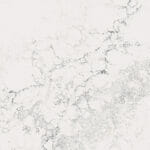
Yes, engineered stone and surfaces can very effectively mimic the appearance of traditional natural stone countertops, such as marble, granite, and quartzite. Manufacturing techniques allow engineered products to easily replicate the look of natural stone with impressive detail while giving the end user a consistent aesthetic and low-maintenance performance.
Traditional natural stone can cost more with a wider price range than engineered stone. Traditional natural stone can cost between $40 and $200 per square foot, while quartz can cost between $50 and $150 per square foot. Costs can vary depending on the color, pattern, material type, and complexity of the installation.
*May contain trace amounts of crystalline silica up to 1%.
{{ subtitle }}
{{ i.desc }}
{{ subtitle }}
{{ subtitle }}