Corian vs. Quartz: Comparing Cost, Durability, and Design Appeal
12/11/2025
5 min read
5 min read
When it comes to countertops for your client’s home, there are plenty of choices, and the decision often comes down to budget.
As a result, designers must weigh the upfront cost savings of Corian against the superior long-term performance and resale value of quartz. To effectively guide your client toward the right material that best fits their home, lifestyle, and long-term plans, it is critical to compare the true cost, long-term durability, and overall aesthetics of Corian versus quartz.
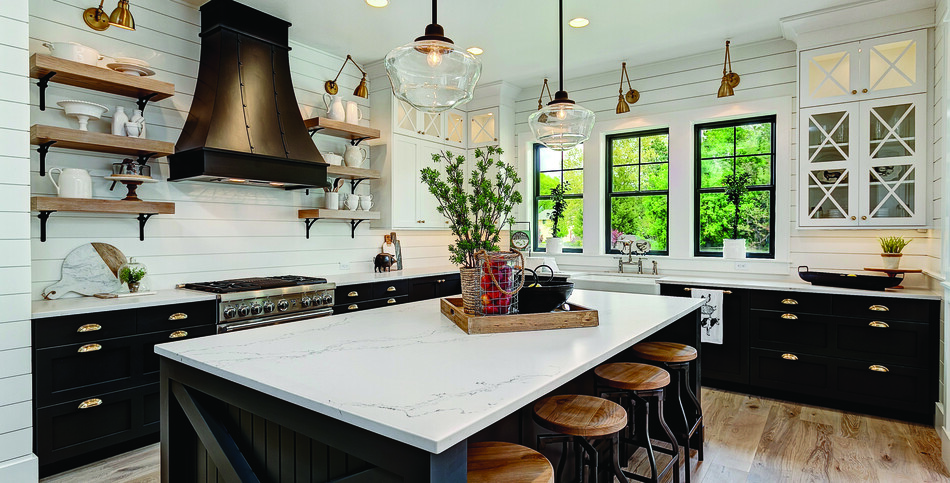
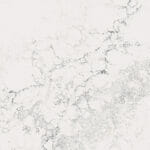
Quartz countertops are an engineered stone composite. For Caesarstone Quartz slabs, we use approximately 90% loose quartz minerals combined with polymer resins and pigments.
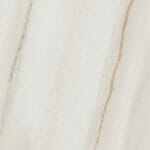
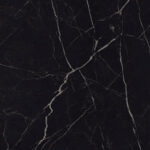
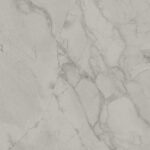
This blending and molding process results in exceptional consistency, durability, and a vast array of aesthetic options that can even mimic the look of natural materials such as granite and marble.
To see examples, explore our quartz countertops page.
Corian is a brand name commonly used to refer to solid surface materials made from a blend of polymer (about 33%) and natural minerals. It was initially developed as a superior alternative to laminate.
Thanks to how it is made, Corian is virtually seamless and fully repairable. It comes with a lower price point than quartz and other premium countertops — and this monetary advantage is Corian’s primary claim to fame. The surface requires occasional sanding and refinishing for deep scratches and buffing to maintain its shine.
Final Verdict: Cheaper than quartz, Corian can meet lower homeowner budgets but will need to be replaced sooner, which may actually make it the costlier option in the long run.
Final Verdict: When comparing the strength of Corian versus quartz, we have a clear winner in quartz.
Final Verdict: While Corian has its advantages, most homeowners prize the upscale aesthetic of quartz.
For homeowners prioritizing affordability, it’s also worth exploring other budget-friendly countertop materials beyond traditional stone options.
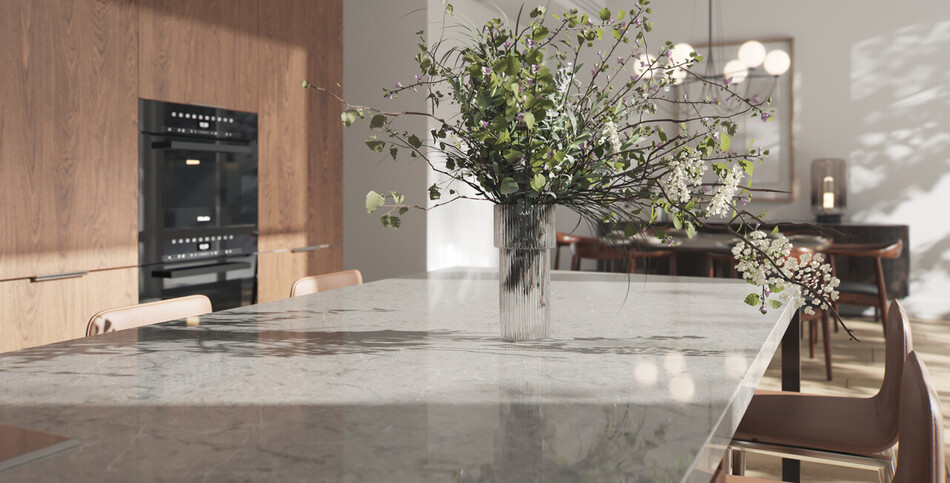
Quartz countertops offer the best combination of features for a modern home. They provide maximum durability, exceptional aesthetics, superior hygiene, and worry-free maintenance that no natural or solid-surface stone can match.
By choosing a high-quality quartz surface from Caesarstone, your clients are investing in a product that not only withstands the daily abuse of a busy home but also acts as a key selling point, providing excellent long-term value.
Order a Caesarstone Quartz sample to explore the infinite design possibilities for your next project.
Corian is cheaper than quartz upfront, but it will cost more over the long term due to its fragility and poor resale value. You can expect to pay between $26 and $80 per square foot for Corian, while quartz starts at $40 and can extend well beyond $200 per square foot.
Corian is cheaper than granite upfront; however, granite comes with its own potential issues that may give Corian the slight edge. For one, granite is porous: You need to seal it as often as twice yearly; otherwise, it will stain. Corian, like quartz, is nonporous and, as such, is highly resistant to staining.
Yes, Corian scratches easily compared to quartz. The sort of plastics used in Corian rank low (2) on the Mohs hardness scale, while mineral quartz ranks high (7).
Maintaining a glossy finish on Corian requires regular buffing with a microfiber cloth and special polish. Glossy quartz maintains its shine for years with proper care and avoids the need for special polish.
{{ subtitle }}
{{ i.desc }}
{{ subtitle }}
{{ subtitle }}